When it comes to the performance of your vehicle, the ignition system plays a crucial role. At the center of this system are ignition coil packs, components that are often overlooked until something goes wrong. In this blog post, we’ll dive into what ignition coil packs are, how they work, common issues, and why regular maintenance is essential.
What is an Ignition Coil Pack?
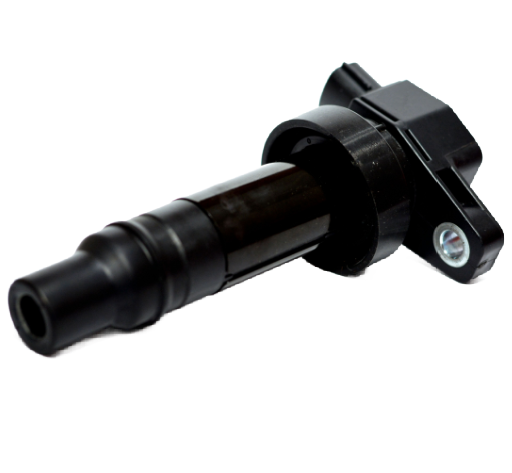
An ignition coil pack is a device that converts the low voltage from your car’s battery into the high voltage needed to create a spark in the engine’s cylinders. This spark ignites the air-fuel mixture, powering your vehicle. In modern vehicles, ignition coils are typically part of a coil pack, which contains multiple coils for multiple cylinders, making them efficient and compact.
How Do Ignition Coil Packs Work?
The ignition coil pack functions through electromagnetic induction. Here’s a simplified breakdown of the process:
- Low Voltage Input: When you turn the key in your ignition, the battery sends a low voltage (typically around 12 volts) to the coil pack.
- Transformation: The ignition coil steps up this voltage to a much higher level—between 12,000 to 45,000 volts—using a primary and secondary winding of wire.
- Ignition of Fuel: This high voltage is then sent to the spark plugs, creating a spark that ignites the air-fuel mixture in the engine’s combustion chamber.
- Cycle Repeats: This process repeats for each cylinder in the engine, ensuring a continuous cycle of power generation.
Common Issues with Ignition Coil Packs
Like any other component, ignition coil packs can wear out or malfunction. Here are some common issues you might encounter:
- Misfires: A failing coil can cause engine misfires, resulting in a rough ride and decreased performance.
- Check Engine Light: A faulty ignition coil can trigger the check engine light, signaling that there’s an issue that needs attention.
- Poor Fuel Economy: If the ignition coil is not functioning correctly, it can lead to inefficient fuel combustion, resulting in lower gas mileage.
- Starting Problems: A defective coil pack may make it difficult to start your vehicle, especially in cold weather.
Signs of a Failing Ignition Coil Pack
Be on the lookout for these signs that might indicate your ignition coil pack is failing:
- Rough Idle: If your car shakes or vibrates while idling, it could be a sign of an ignition problem.
- Decreased Acceleration: A noticeable lag when accelerating can indicate that not all cylinders are firing correctly.
- Engine Stalling: If the engine stalls frequently, it might be due to issues with the ignition system.
Maintenance Tips
Maintaining your ignition coil pack is essential for keeping your engine running smoothly. Here are some tips to ensure longevity and optimal performance:
- Regular Inspections: Have your ignition system inspected during routine maintenance. Technicians can check for wear and tear and replace any faulty components.
- Keep Spark Plugs Fresh: Worn or fouled spark plugs can put extra stress on ignition coils, leading to premature failure. Replace them according to your vehicle’s maintenance schedule.
- Monitor Engine Performance: Pay attention to how your car runs. If you notice changes in performance, have it checked out sooner rather than later.
Conclusion
Ignition coil packs may not be the flashiest component in your vehicle, but they are undeniably vital to its operation. Understanding how they work and recognizing the signs of failure can save you from costly repairs and keep your engine running smoothly. Regular maintenance and timely replacements can ensure that your ignition system remains in top condition, providing you with the performance and reliability you expect from your vehicle. If you suspect issues with your ignition coil pack, don’t hesitate to consult a professional to get your car back on the road in no time!